The Orange Wine Region
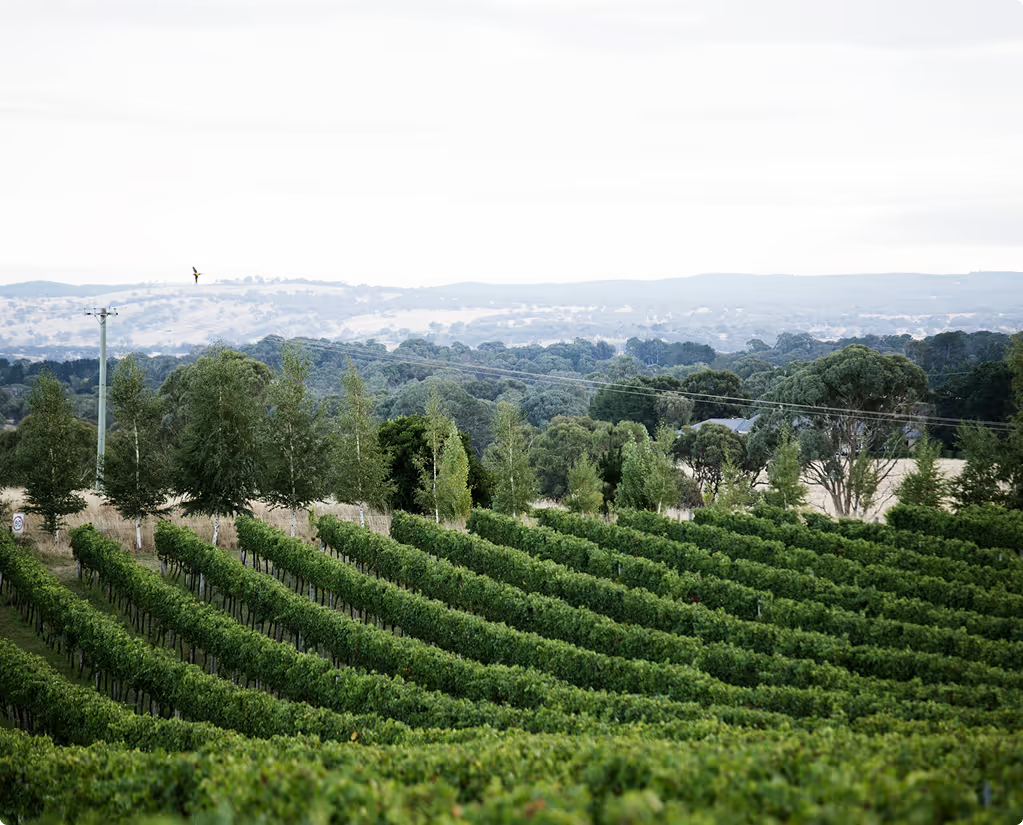
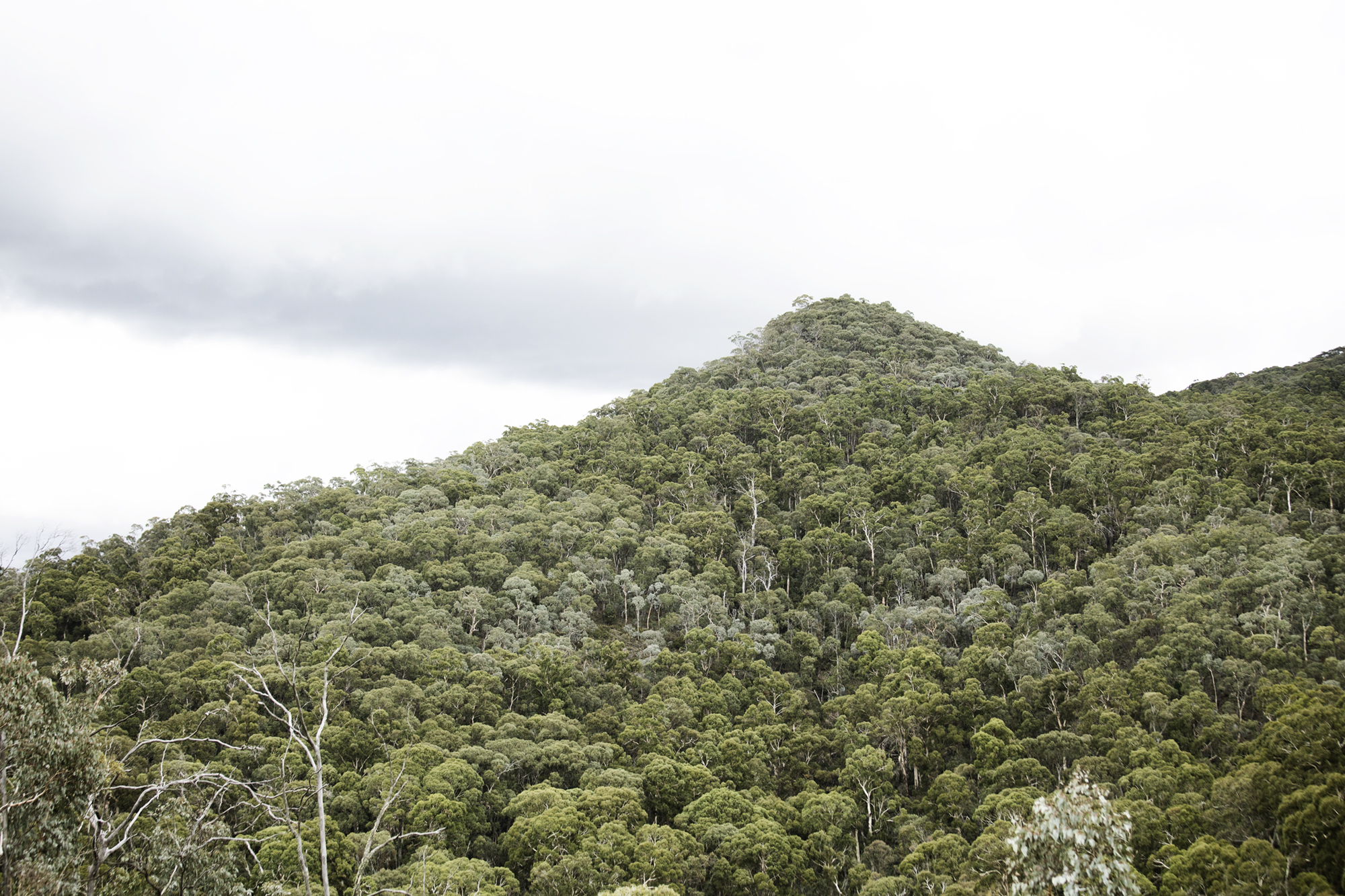
The story of Rowlee begins where the road to Nashdale ends: at 950 metres, on volcanic basalt soils, in a climate that asks something of everything we grow.
Nicole Samodol
Altitude influences almost everything we do
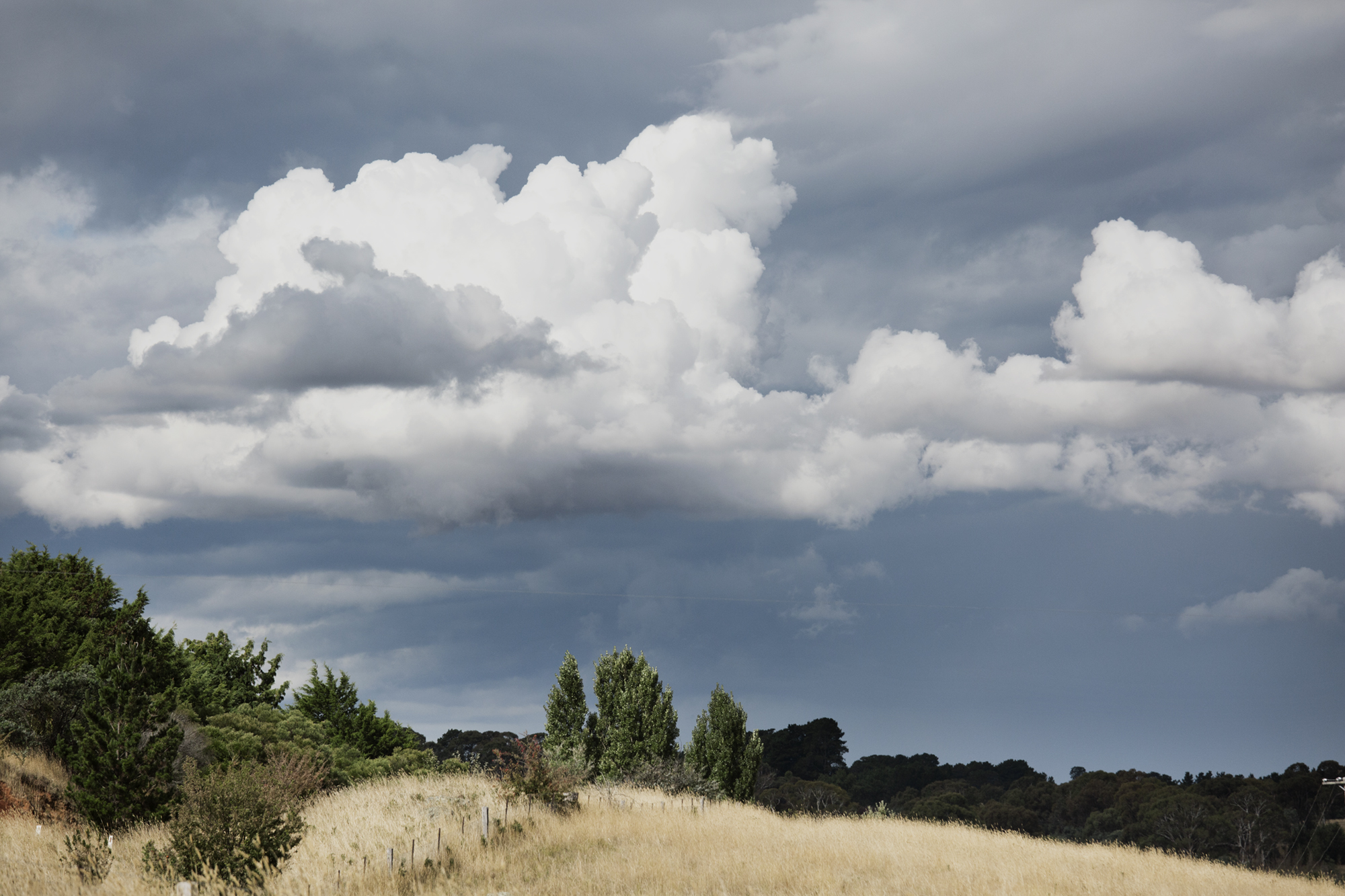
The days are warm and sunny through the growing season, but the nights drop away, and that temperature swing is what slows ripening and allows the grapes to build flavour gradually while holding onto their natural freshness.
That longer growing season gives us the opportunity to achieve flavour ripeness without losing freshness: wines with balance, elegance and the kind of longevity that's genuinely difficult to replicate in warmer, lower-altitude regions.
We felt that most clearly in the 2024 vintage. The fruit came into the winery with intensity and brightness at the same time, concentration and freshness together, which is exactly what altitude makes possible. Tasting the grapes in the vineyard that season, you could see precisely why we're here.
For varieties like Chardonnay, Arneis and Nebbiolo, those conditions are everything. They allow us to produce wines with both generosity and precision, with a character that could only come from this particular place.
The volcanic soils of Nashdale
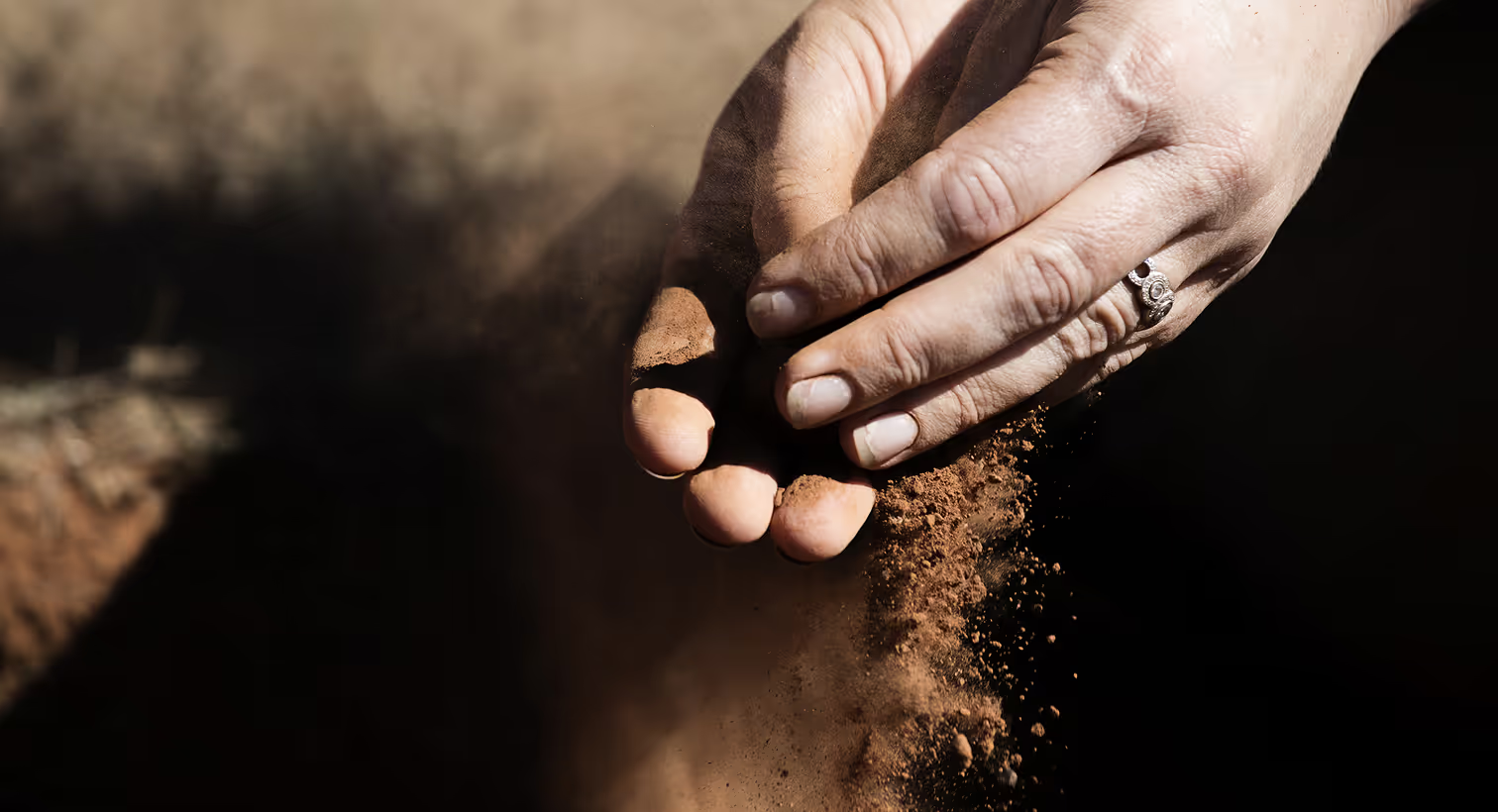
The volcanic basalt soils of Nashdale drain well and run deep, which pushes the vines to develop deep root systems rather than spreading sideways. The vines have to work for their water, and that effort shows in the texture and tension of the wines.
Whether you can literally taste soil in a glass of wine is always a good debate to have. What we can say is that the wines from this part of Orange carry a structure and savouriness that we don't think comes from the climate alone. Something in the soil is doing something to the wines.
You may not taste basalt as a flavour, but you can see its influence in the character and personality of every bottle we make here.
What cool climate really means
Cool climate starts in the vineyard, not on the label. For us, it means paying close attention to a growing season that unfolds more slowly than in most other Australian wine regions. The temperatures drop significantly overnight, even through summer, which slows ripening and gives the grapes time to build flavour gradually while holding onto their natural freshness.
Day to day, that means patience. Harvest arrives late, and we spend the season monitoring how flavour, acidity and tannin are developing, rather than simply watching sugar levels climb. The goal is full flavour ripeness without losing the freshness that defines what we make here.
In the glass, cool climate translates to freshness, vibrancy and a sense of restraint rather than sheer power. Whether it's the Chardonnay, Arneis, Pinot Noir or Nebbiolo, there is an energy to these wines that comes directly from the conditions in which the grapes were grown. That's the real beauty of Orange.
Why we grow the difficult ones
Chardonnay has earned its place as Orange's flagship variety, and rightly so. The combination of altitude, volcanic soils and cool nights consistently produces Chardonnay with freshness, elegance and real depth. It suits this place, and this place suits it.
But we have always been interested in what else Orange can do.
Arneis comes from Piedmont, where it's known as the "little rascal" of the vineyard: difficult to grow, thin-skinned, prone to oxidation. It thrives here because our long, cool growing season lets it ripen fully without losing its freshness. Almost nobody else in Australia grows it, which is something we find genuinely puzzling.
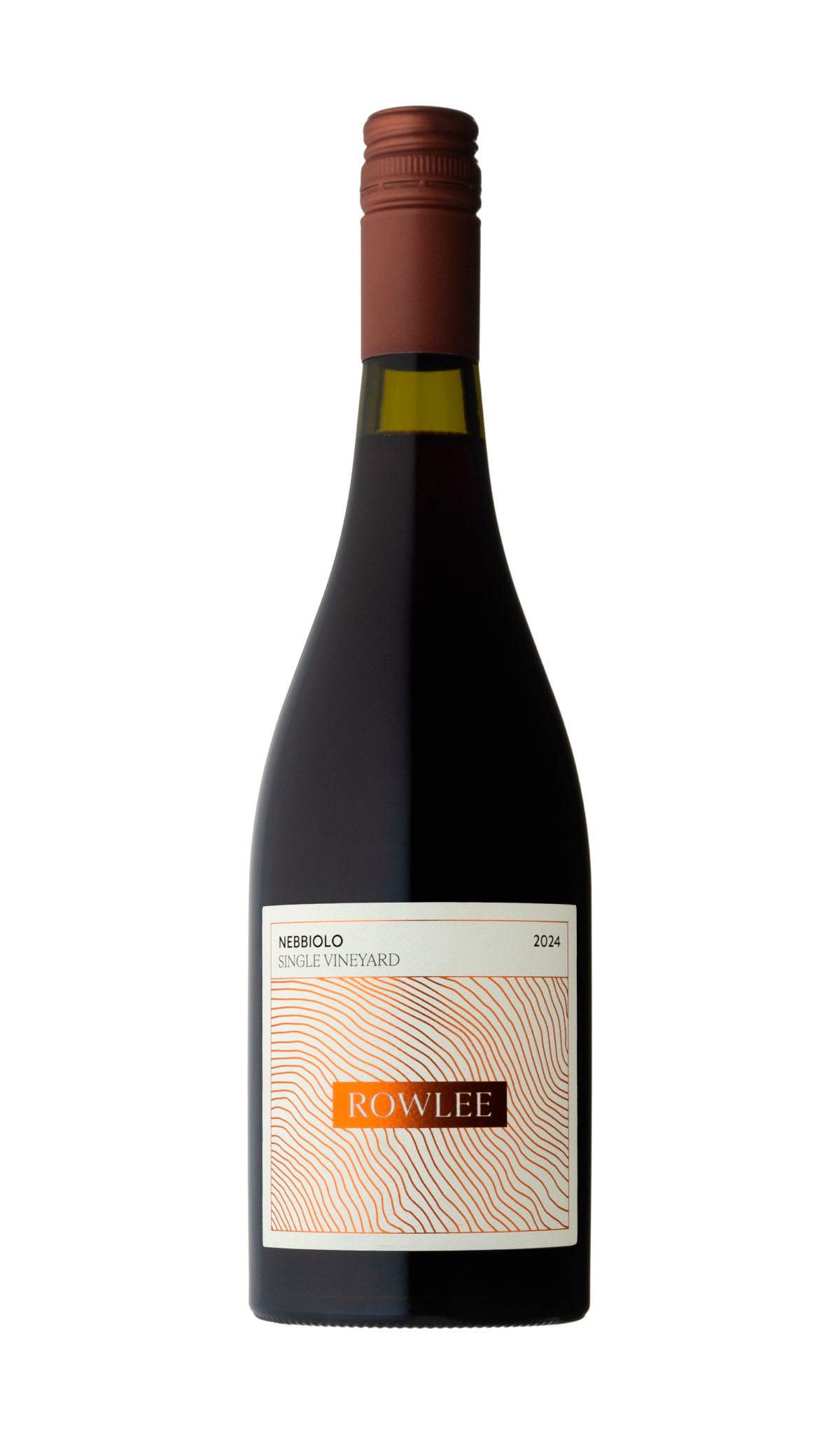
Nebbiolo is the grape of Barolo, one of the most demanding varieties in the world to grow and to make. It needs a long growing season, cool nights and patience. Orange has all three. What we're producing here is still early in the story; Nebbiolo takes decades to fully understand in a site. But the wines are already showing the complexity and structure that tells us we made the right call planting it here.
If there's a sleeper in the Orange region, it's Nebbiolo. We're only beginning to see what's possible.
A region still writing its story
When we first arrived in Orange in 2001, the region was still finding its feet. There were a handful of wineries, a lot of open questions about which varieties would perform best, and an industry largely unknown outside of specialist circles. The pioneers were still proving what altitude could do.
Today there are around 60 wineries. The transformation has been extraordinary, and the quality and diversity of wines being produced here reflect more than two decades of learning, investment and refinement.
But what has stayed constant, and this is not something you can take for granted as a wine region grows, is the collaborative spirit. Producers here genuinely want each other to succeed.
Philip Shaw was already here when we arrived, already making the case for this altitude. His early confidence in the region created the conditions that made it possible for everyone who followed.
Nadia and Steve at ChaLou continue to push what Orange can achieve with a site-driven approach that keeps the region moving forward.
And Jeff Byrne of Byrne Farm, who relocated from the Hunter Valley to Nashdale in 2019 and planted Pinot Noir and Chardonnay with real conviction about what the site could give him. That kind of confidence in a place, backed by the willingness to move there and farm it, is exactly what the region needs.
Nashdale, early morning
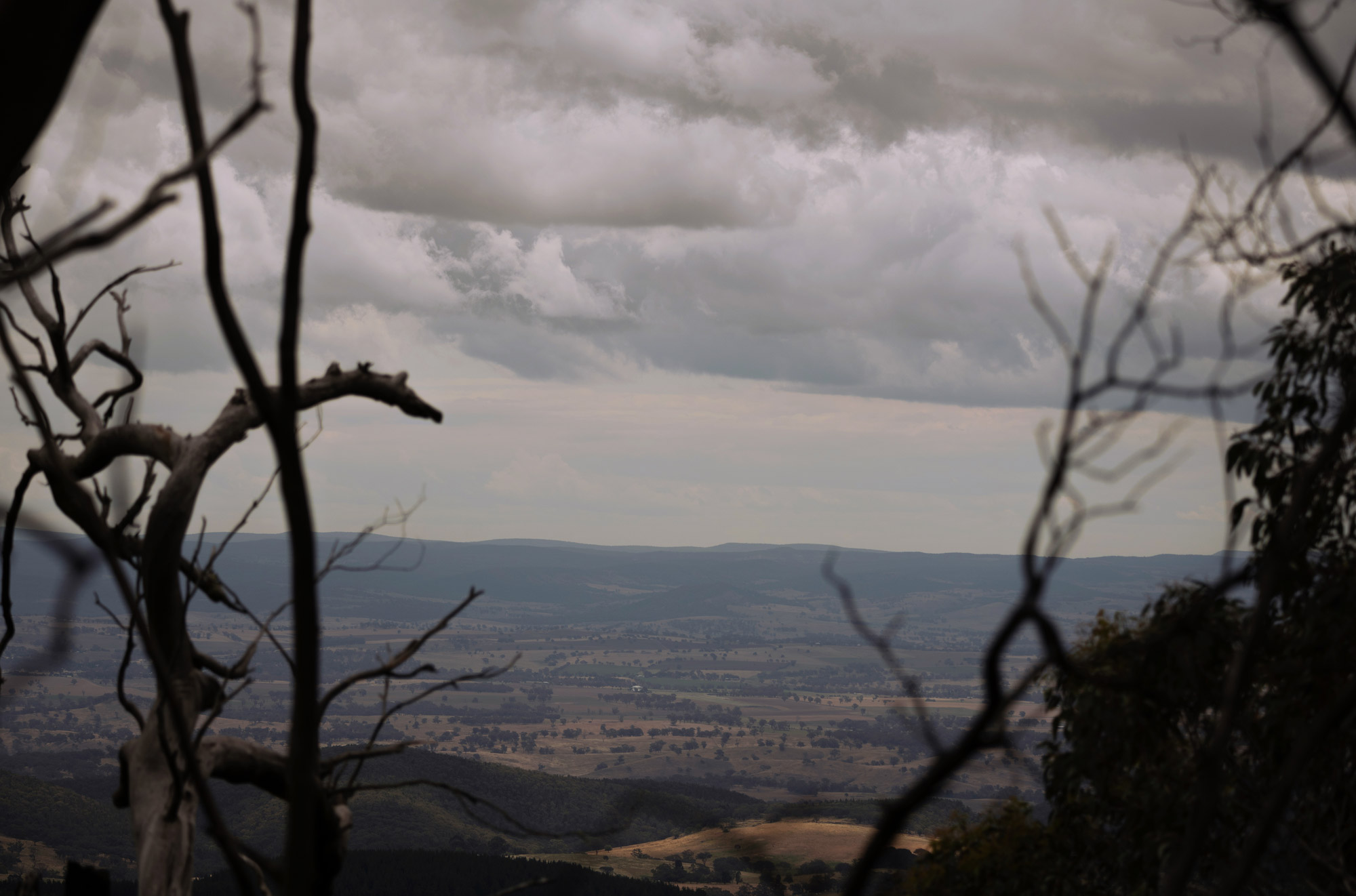
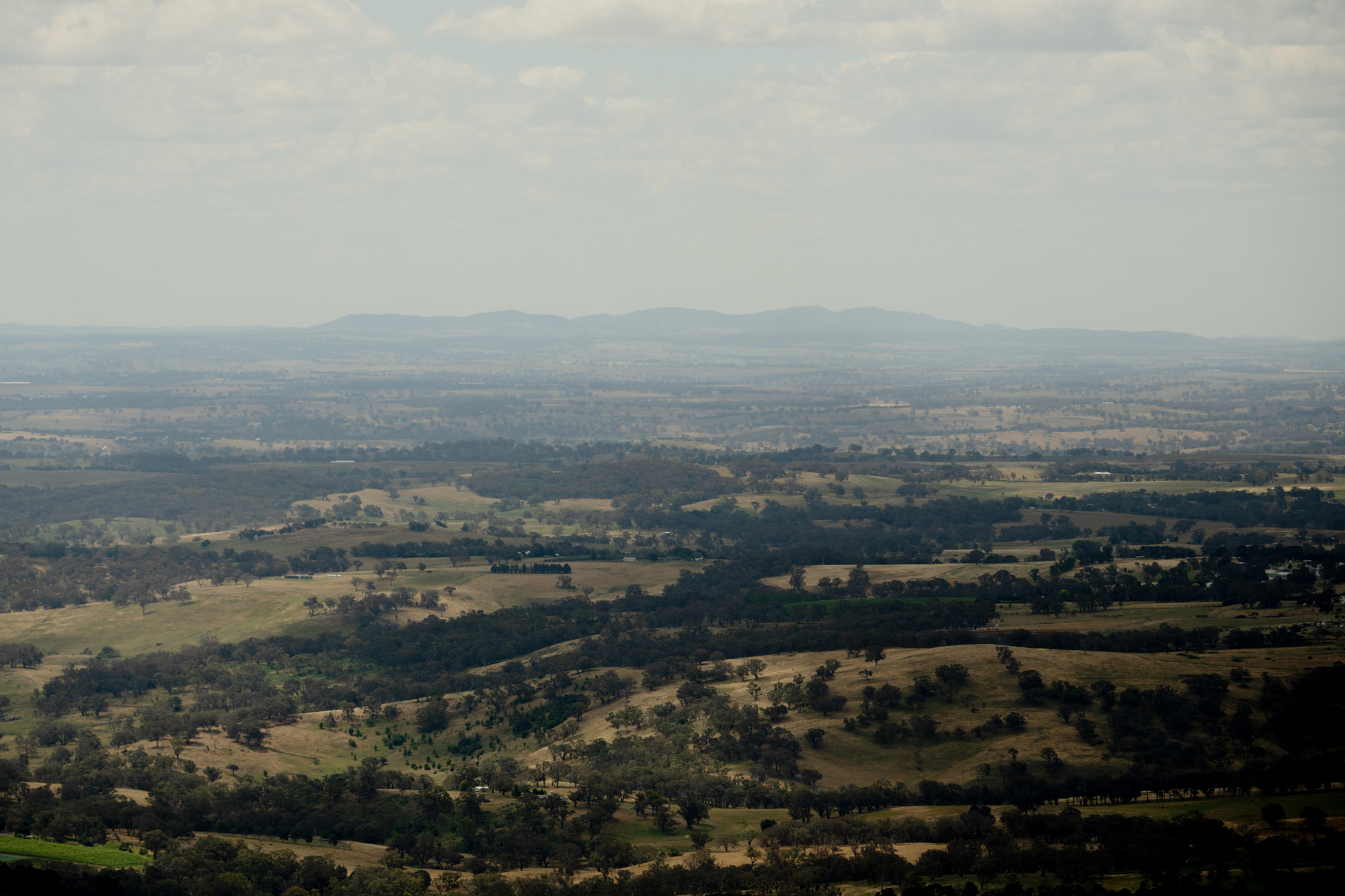
The Nashdale district is one of the most special parts of Orange. Sitting on the western slopes of Mount Canobolas, it combines some of the region's highest vineyard sites with extraordinary views across rolling farmland and vineyards.
One of the things visitors don't always appreciate is how dramatic the landscape can be. Early mornings in Nashdale are particularly memorable, with vineyards often sitting above a blanket of mist that fills the lower valleys. It's a perspective that reminds you just how important elevation is to the wines produced here.
The winding roads through Nashdale reveal a patchwork of vineyards, orchards and grazing country that captures the essence of Orange. It's a quieter part of the region, away from the main tourist routes, but it offers a real sense of place.
The combination of altitude, volcanic soils and breathtaking scenery is what drew many growers here in the first place, and it's still one of the reasons we feel so fortunate to call Nashdale home.
The best time to visit
Every season in Orange has its appeal. Spring brings the blossoms, summer means long days on cellar door terraces, and winter offers cold clear days and warm dining rooms. All of them are worth the drive.
But our pick is autumn, specifically the weeks just before harvest. The fruit is still on the vine. You can taste the grapes in the vineyard and then taste the wines they will become in the glass. That connection between what is growing in the ground and what ends up in the bottle is something most visitors never get to see.
Harvest means the region is at its most alive. There is a particular energy in April and May in Orange that is hard to replicate at any other time of year.
48 hours in the Orange wine region
48 hours isn't really enough. Between the wineries, restaurants, shops and surrounding villages, you could easily spend a long weekend here and still leave with plenty left to explore. But here is how we would use them starting from a based at Yallungah Boutique Hotel.
Day one
Breakfast at the hotel. Walk around Lake Canobolas, with coffee from the Lakeside Kiosk if you time it right. Head out to the Nashdale vineyards for the afternoon. Dinner at Fiorini's
Day two
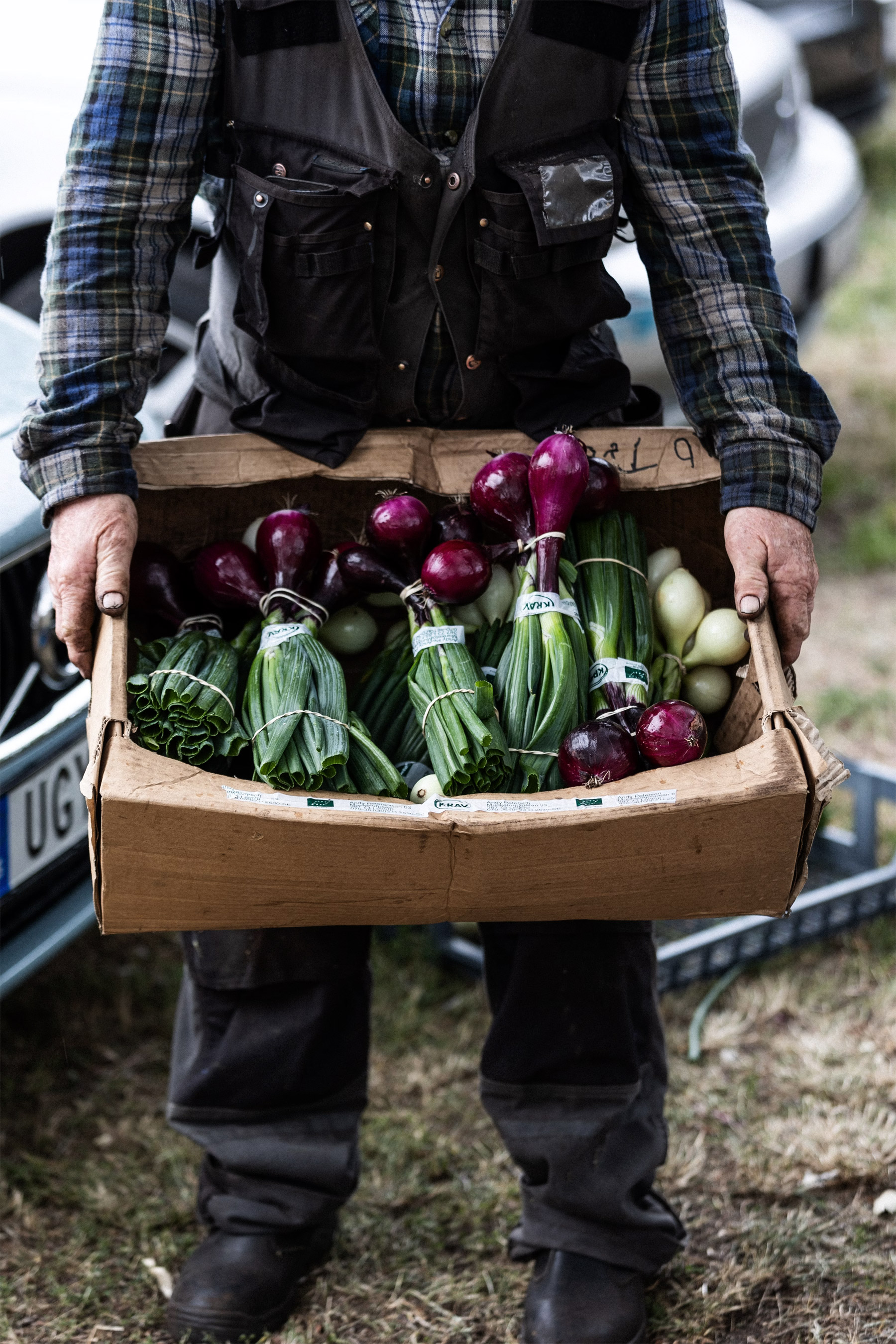
If your visit falls on the second Saturday of the month, start at the Orange Farmers Market. It is one of the best ways to experience the produce and community that the wines grow out of. Settle in for a long lunch at Rowlee Dining & Bar. Finish at The Canobolas Hotel for something unpretentious.
Day three
If time permits, make sure you venture beyond Orange itself. The heritage villages of Millthorpe and Molong are well worth exploring, with their historic streetscapes, boutique shopping, cafés and country charm.
Our part in the Orange wine story
I think Rowlee's chapter is about helping broaden the conversation around what Orange can be. The region has rightly earned a reputation for exceptional Chardonnay and Shiraz, but we've always been interested in exploring varieties that thrive in our unique climate and tell a different story.
That's what led us to Arneis and Nebbiolo, and to a philosophy focused on site, balance and regional expression.
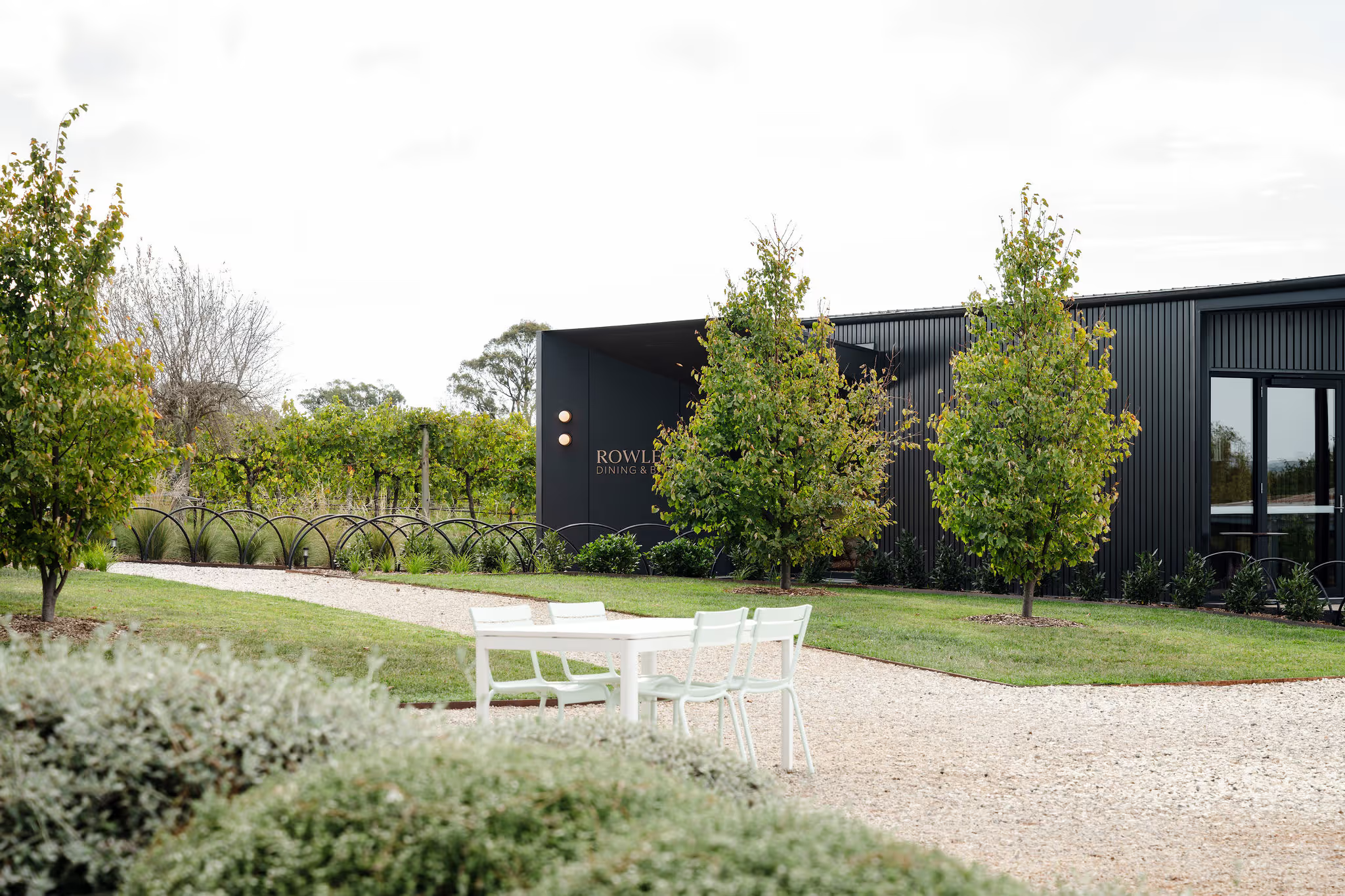
We are also one of the few wineries in Orange where the wine on your table comes from the vines out the window. That connection between what is grown outside and what is served inside is something we think is worth experiencing. Food and wine have always been a natural partnership and through Rowlee Dining & Bar we are able to celebrate the agricultural community that surrounds us alongside our own estate wines.
If the Orange wine story is still being written, we'd like to think Rowlee represents a chapter about curiosity, innovation and hospitality, a place where visitors can discover not only great wine, but also the people, produce and experiences that make Orange such a remarkable region.
Overall, I'm optimistic. Orange has an incredible combination of people, vineyards, produce and natural beauty, and I think the best chapters of the region's story are still ahead of us.
Questions about the Orange wine region
What makes the Orange wine region unique?
Orange is defined by altitude. Vineyards grow at 800 to 1,000 metres above sea level on volcanic basalt soils, and that elevation is not a footnote. It is why the wines taste the way they do. Cold nights slow ripening, preserve natural acidity, and produce wines with a freshness and balance that warmer regions cannot replicate.
What wine varieties grow best in Orange NSW?
Chardonnay and Pinot Noir are the region's benchmarks, and rightly so. The long growing season and cool nights also suit Shiraz, Riesling and Sauvignon Blanc. We have always been drawn to the Italian varieties, Arneis and Nebbiolo, that thrive in these same conditions. Almost no one else grows them commercially in Australia, which we find genuinely puzzling.
When is the best time to visit the Orange wine region?
Autumn is our answer, specifically the weeks around harvest in April and May. The fruit is still on the vine, the region is at its most alive, and there is an energy in the vineyards at that time of year that is hard to replicate in any other season. You can taste the grapes before they become the wine. The Orange Farmers Market runs on the second Saturday of every month and is worth planning around whenever you visit.
How far is Orange NSW from Sydney?
Around 3.5 hours by car from Sydney, and the same from Canberra. Far enough to feel like you have genuinely gone somewhere; close enough to do in a long weekend. Most of our visitors drive up on a Friday evening and leave Sunday afternoon, which gives two full days in the region.
What is cool climate wine?
Cool climate means temperatures are low enough to slow ripening, giving grapes time to build full flavour while holding onto their natural freshness. The result is wines with elegance and restraint rather than sheer weight or richness. In Orange, altitude creates the cool climate. The days are warm through summer but the nights drop away sharply, and that temperature swing is what separates this region from most of Australia. You get concentration and vibrancy at the same time.
How many wineries are in the Orange wine region?
Around 60 today. When we arrived in 2001 there were only a handful. The growth has been significant, and quality has kept pace. It is one of the few wine regions in Australia where producers actively want each other to succeed, and that collaborative spirit shows in the wines. Worth seeking out: Philip Shaw, Swinging Bridge, Printhie, Ross Hill and ChaLou.
Key People
Nicole Samodol
Nicole Samodol is a highly regarded wine entrepreneur, who owns and operates Rowlee Wines. She brings a fresh perspective to the thrill of wine making, leveraging a 17 year corporate career focused on the development and implementation of strategy and business transformation to the industry she loves.
In a bold move, Nicole decided to deviate from the traditional corporate career path and move to the emerging wine region of Orange, NSW to grow grapes and make wine under her own label. In doing so she created one of NSW’s leading wine tourism businesses, with an award-winning cellar door and a variety of visitor experiences that now serves as a benchmark for other Australian wine makers.
Nicole has inspired others to develop and grow their own tourism businesses and her successful formula has caught the attention of state and national wine and tourism bodies, amongst whom she is considered an expert. Her recent speaking engagements include the Australian Tourism Export Council’s National Wine Tourism Conference, Wine Communicators of Australia Direct to Consumer Wine Summit, and Destination NSW’s Visitor Economy Forum.
In addition to running her own wine business, Nicole is a Vice President of NSW Wines and has served as President of the Orange Region Vignerons’ Association. Nicole holds an MBA, a bachelor’s degree in business, and is a graduate of the Australian Institute of Company Directors.

James Manny
James Andrew Manny is a highly effective Project Manager, with a successful reputation for delivering complex global projects. He brings his varied career history to his current role as Vigneron at luxury boutique winery, Rowlee Wines, where he oversees all vineyard operations and winemaking. He has led initiatives resulting in strong brand recognition, including regional and national awards.
James as a track record of innovation, including pioneering research on European Wasp suppression strategies, and successfully trialling sunscreen products on grapes during heatwaves.
In his diverse career, James co-developed motor vehicle safety technology with EVACast, chaired iCash Payments Systems/Neo ICP, leading the commercialisation of world-first cash handling technologies. As Managing Director of Credit New Holland Group, he navigated the company toa. Saleable scale, merging it with Centerstone for increased customer service and benefits of scale.
With a Bachelor of Business and extensive training, James was a finalist for the Vigneron of The Year Award at the Orange Wine Show, and is an active member of regional, state, and national associations.